Dental Care for Senior Dogs: A Simple Daily Routine
Updated November 6, 2026 · 6 min read
The short answer
The most effective home dental care for a senior dog is brushing with a toothpaste made for dogs: the American Veterinary Medical Association (AVMA) says daily brushing is best and several times a week can still be effective. Dental chews and water additives are helpers, not replacements. Have your vet check your dog's teeth and gums at least once a year, since many older dogs need professional cleanings under anesthesia.
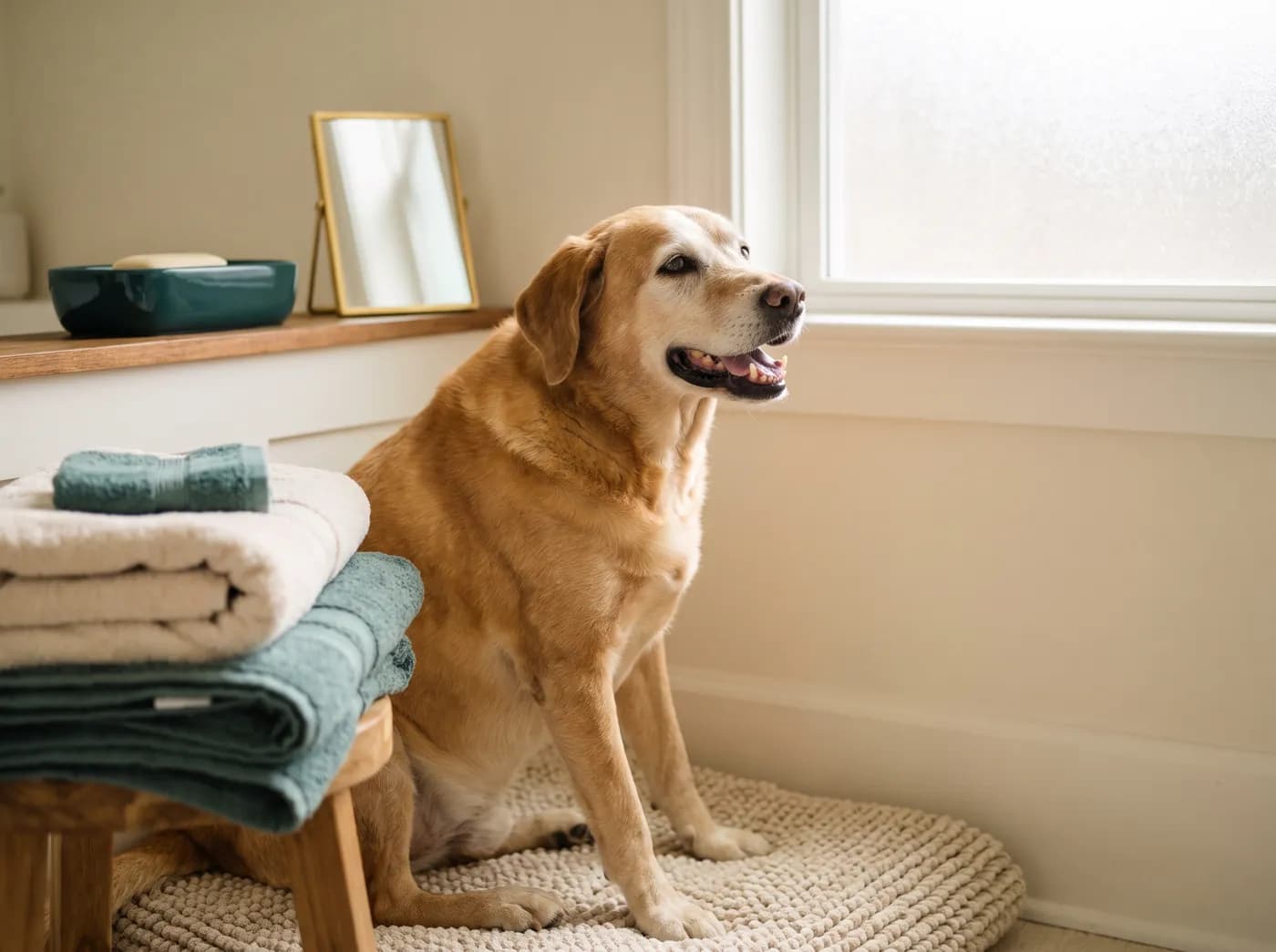
Why does dental care matter more as dogs age?
Plaque, a sticky film of bacteria, forms on teeth every day. If it isn't removed, it hardens into tartar, which a toothbrush can't lift. Years of build-up add up, which is why older dogs so often have stronger breath, yellow-brown teeth and red edges along the gumline.
Much of what goes wrong happens below the gumline, where you can't see it. That's why home care and vet checks go together: brushing removes plaque before it hardens, and your vet looks where you can't.
It's not too late to start. Older dogs can learn to accept brushing with patience, and every day of plaque removal counts.
How do I brush a senior dog's teeth?
Use a toothpaste made for dogs, never your own. VCA Animal Hospitals explains that human toothpaste isn't made to be swallowed and some brands contain xylitol, which is toxic to dogs. Dog toothpastes come in flavors like poultry, and many owners choose an enzymatic one.
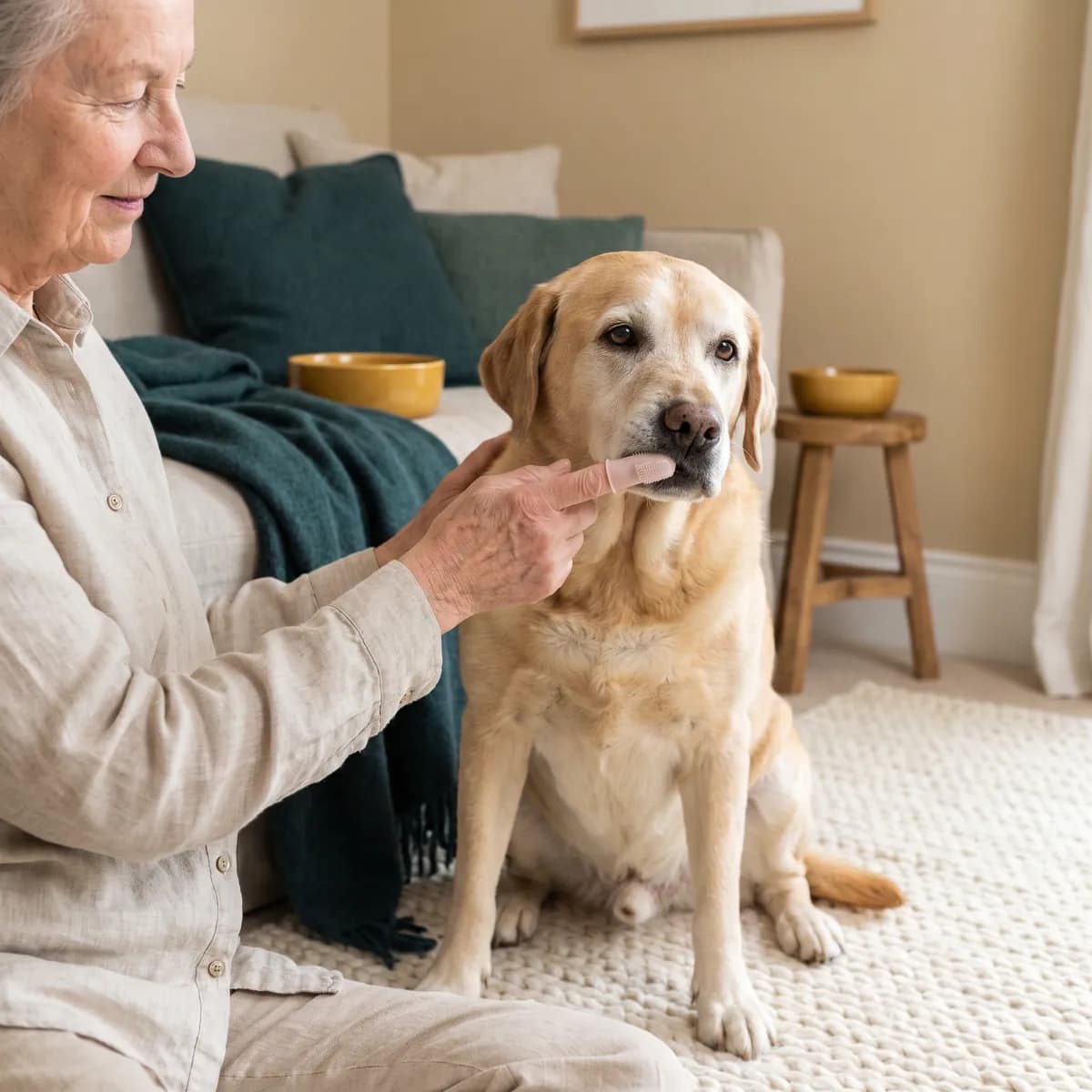
Pick a calm time, such as after the evening walk, and build up in small steps over a week or two:
- Step 1: lift the lip and touch the teeth and gums with your finger for a few seconds. Praise, reward, and stop there.
- Step 2: let your dog lick the toothpaste from your finger so the taste becomes something good.
- Step 3: rub a finger brush or soft cloth along the outside of a few back teeth and the canines.
- Step 4: work up to the whole outer surface on both sides, along the gumline. VCA suggests about 30 seconds per side.
- Step 5: keep every session short and positive. If your dog pulls away, go back a step next time.
Which teeth matter most when brushing?
Focus on the outside of the teeth, where the cheek rests against them. VCA notes that most damage happens on the outer surfaces, while the tongue does a fair job of keeping the inner surfaces clean.
Start with the large cheek teeth at the back and the long canines, where tartar builds fastest. Angle the brush toward the gumline and use small, gentle circles.
If your dog flinches, bleeds or won't let you near one area, stop brushing that spot and tell your vet. It may be a sign that something there hurts.
Choose the tool that suits your dog. A soft finger brush works well for small mouths and nervous dogs, while a soft-bristled dog toothbrush reaches the back teeth more easily in bigger dogs. Replace the brush when the bristles start to splay, and use a separate brush for each dog.
If your dog has recently had teeth removed or has a sore mouth, ask your vet when it's safe to start brushing again.
How often should I brush my dog's teeth?
Daily is the goal. The American Veterinary Medical Association (AVMA) calls regular brushing the single most effective thing you can do for your pet's teeth between dental cleanings, and says daily brushing is best, though several times a week can still be effective.
Tie brushing to something that already happens every day, such as your dog's evening meal or brushing your own teeth, and keep the kit where you'll see it. Missed a day? Just pick it up again tomorrow. Consistency matters more than a perfect session.
Do dental chews and water additives help?
They're useful helpers, especially on days you can't brush, but they don't replace brushing. The Veterinary Oral Health Council (VOHC) calls brushing the gold standard and notes that daily chewing activities can also help maintain oral health.
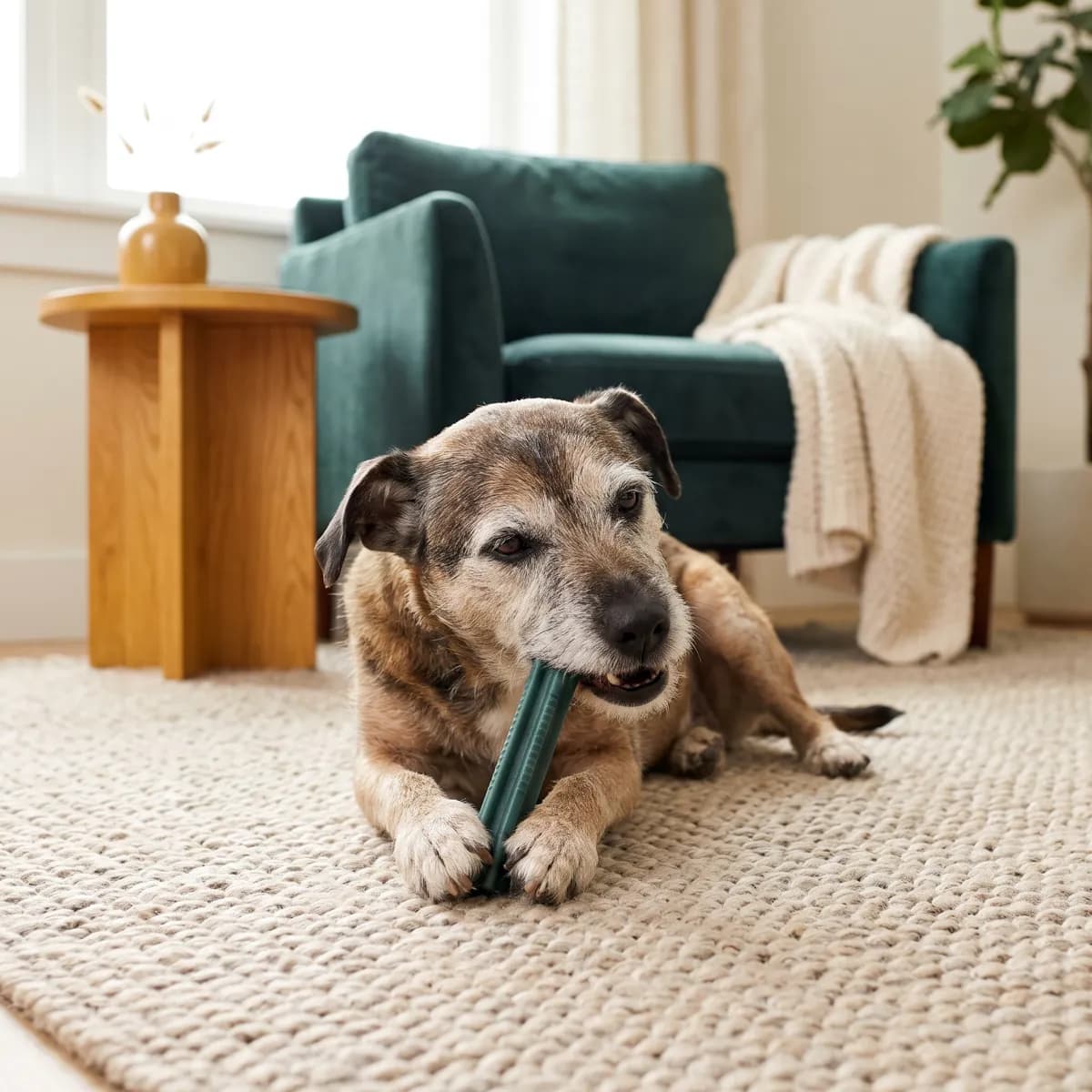
- Dental chews: textured chews help clean teeth as your dog chews and help freshen breath. Pick a size that suits your dog, supervise chewing, and count chews as part of the day's food.
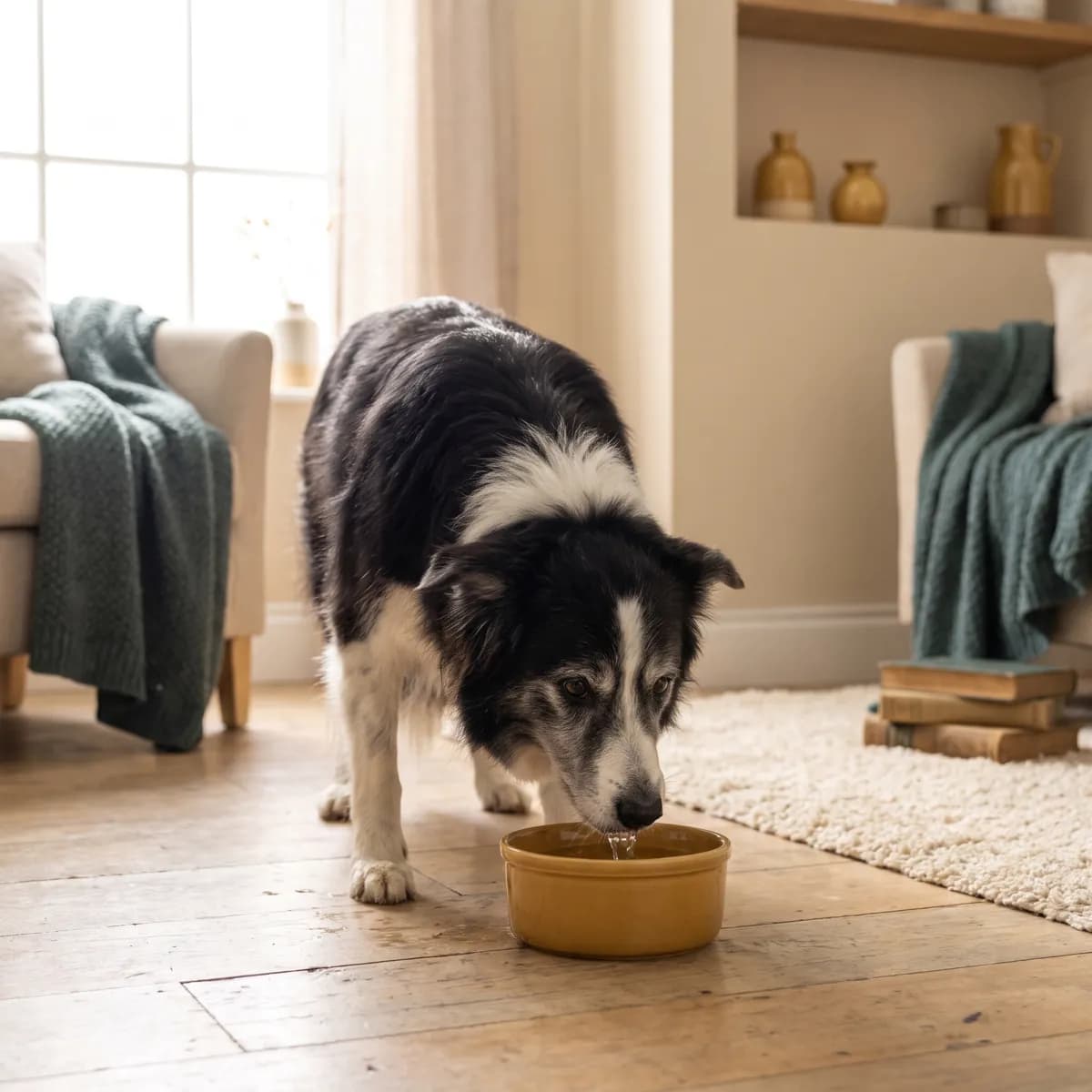
- Water additives: a tasteless additive in the water bowl helps freshen breath without any effort from your dog. Follow the label, refresh the bowl daily, and if your dog drinks less after you start, switch back to plain water and check with your vet.
- Very hard chews: skip bones, antlers and other items that don't bend, which can crack teeth, especially older ones.
How often should a senior dog have a vet dental check?
The AVMA advises having your pet's teeth and gums checked by your vet at least once a year, and sooner if you notice problems. VOHC adds that many pets, particularly middle-aged and older dogs, need periodic professional scaling on top of home care.
A thorough cleaning has to happen under anesthesia. The AVMA notes that the American Veterinary Dental College does not recommend anesthesia-free cleanings, because they don't allow cleaning or inspection below the gumline.
Anesthesia is a normal worry with an older dog. The American Animal Hospital Association's (AAHA) senior care guidelines say senior pets undergoing anesthesia should receive special attention, so ask your vet which checks they run beforehand and how they monitor older patients.
What does a simple daily dental routine look like?
Here's a routine most families can keep up:
- Morning: fresh water in a clean bowl, with a water additive if you use one, as the label directs.
- Evening: brush the outer surfaces for about a minute in total, then reward.
- Busy days: offer a dental chew and brush again the next day.
- Weekly: lift the lips and look. Note new tartar, red or bleeding gums, broken teeth or a change in breath.
- Yearly, or as often as your vet advises: a dental check, plus a professional cleaning when your vet recommends one.
From the Stay Fresh shelf
Common questions
›Is it too late to start brushing my senior dog's teeth?
No. Older dogs can learn to accept brushing with patience and rewards. Start with a vet dental check, since existing tartar or sore teeth need a professional look first. Then go in small steps: touch the gums, let your dog taste a dog toothpaste, and work up to brushing the outer surfaces. Keep sessions short and stop if anything seems to hurt.
›Can I use human toothpaste on my dog?
No. VCA Animal Hospitals explains that human toothpaste isn't made to be swallowed, and some brands contain xylitol, which is toxic to dogs. Use a toothpaste made for dogs, which is safe to swallow and comes in flavors dogs accept, such as poultry. Baking soda isn't a good substitute either, since it tastes bad to dogs and can upset the stomach.
›Do dental chews replace brushing?
No. Dental chews help clean teeth as your dog chews and help freshen breath, which makes them a good helper on days you can't brush. The Veterinary Oral Health Council calls brushing the gold standard for home care. Choose a chew sized for your dog, supervise chewing, count it as part of the day's food, and keep brushing whenever you can.
›How often does a senior dog need a professional dental cleaning?
It depends on your dog's mouth, so your vet decides. The AVMA advises a vet check of the teeth and gums at least once a year, and the Veterinary Oral Health Council notes that many middle-aged and older dogs need periodic professional cleaning on top of home care. Good daily brushing can help keep the time between cleanings longer.
›Is anesthesia safe for an older dog's dental cleaning?
Your vet will weigh the risks for your dog. AAHA's senior care guidelines note that anesthesia is needed for proper dental care and that older pets should get special attention, such as checks beforehand and close monitoring. Ask which tests your vet recommends first, how your dog will be monitored, and what the plan is for comfort afterward.
›Do water additives help with dog breath?
A dental water additive is an easy way to help freshen breath and support cleaner teeth, since your dog takes it in every time they drink. Think of it as a helper alongside brushing, not a replacement. Follow the label, keep the bowl fresh, and if your dog starts drinking less, switch back to plain water and check with your vet.
Not sure where to start?
Take the 60-second quiz to see your dog's age in human years and get a daily routine built around them.
Take the dog age quizSources
These statements have not been evaluated by the Food and Drug Administration. Kennara products are not intended to diagnose, treat, cure or prevent any disease, and they don't replace veterinary care.