Guides
Helping an older dog feel like themselves
Plain, practical answers to the questions owners of senior dogs ask most. For anything medical, your vet is the one to ask.
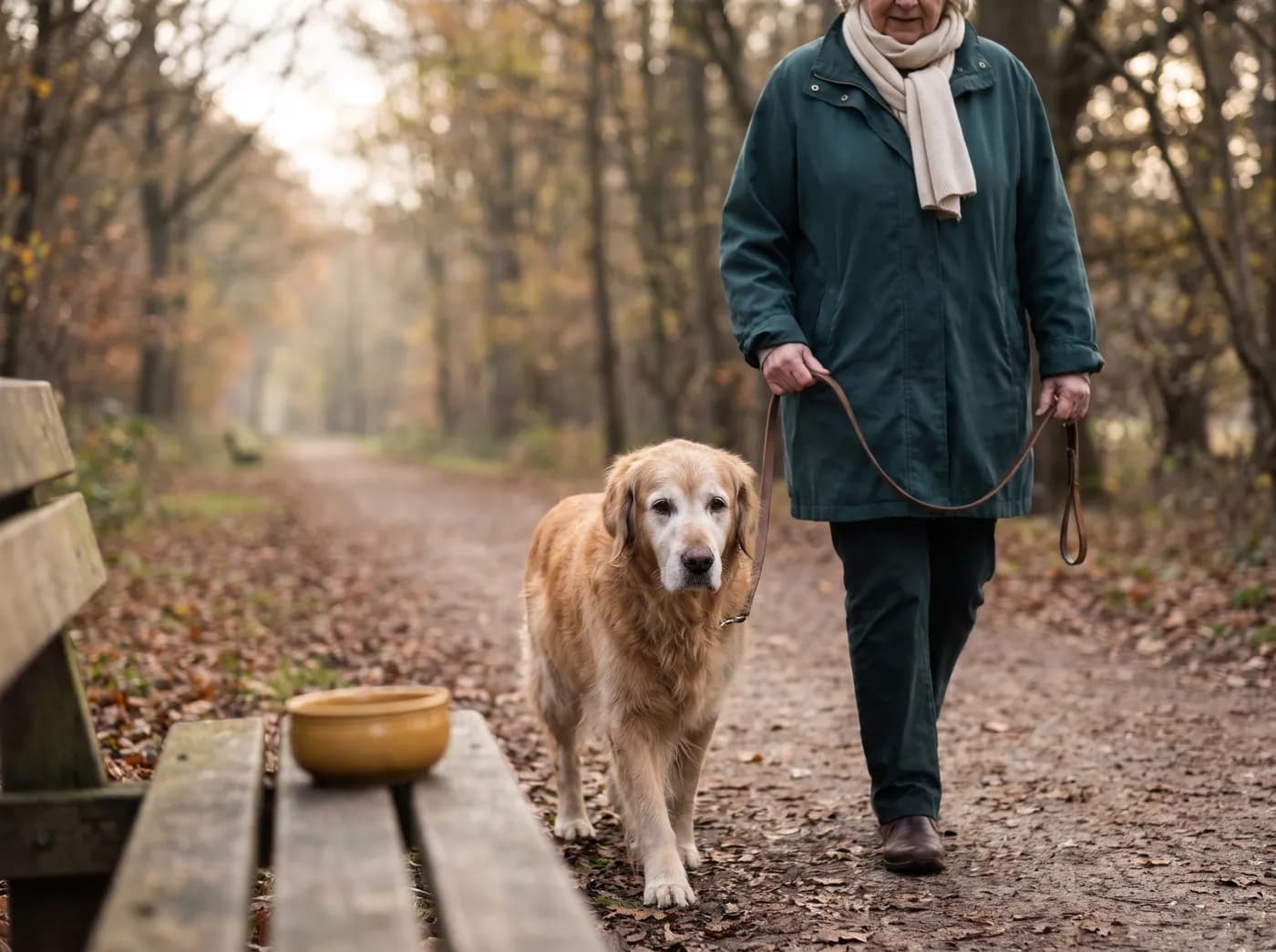 Keep Moving5 quiet signs your dog is aging, and how to helpThe small changes owners notice first, from stiffer mornings to a duller coat, and the daily habits that help.
- Keep MovingWhy Is My Senior Dog Slipping on the Floor? Fixes for HomeOlder dogs slip on smooth floors because they often have less muscle and slower balance than they used to, and long nails or fur over the paw pads cut their grip. Most homes can fix it with non-slip rugs on the main routes, regular nail and paw-fur trims, a ramp where they jump, and a lean weight. If the slipping is new or sudden, see your vet first.
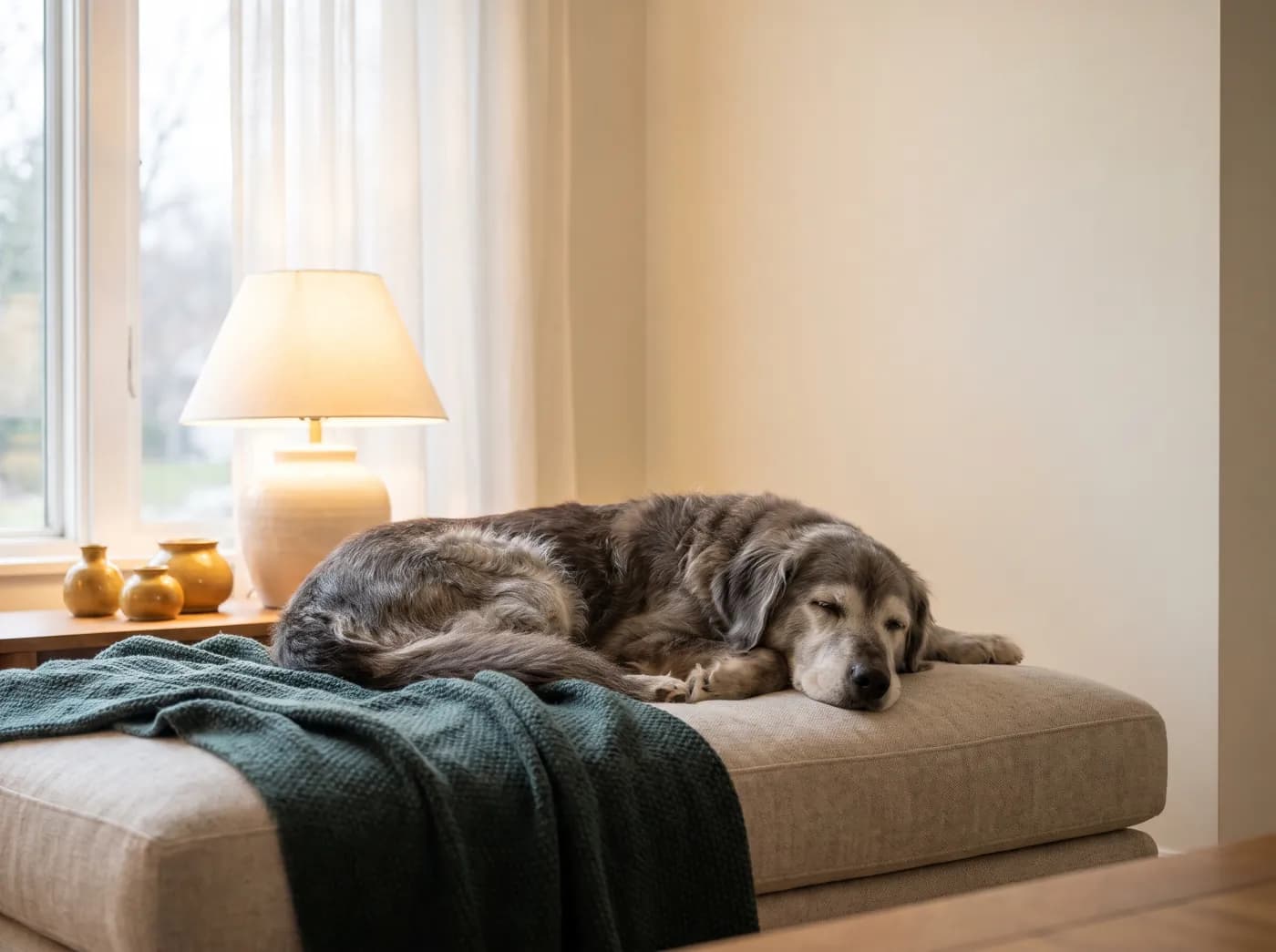 Stay CalmSenior Dog Restless at Night? Why It Happens and How to HelpOlder dogs often get restless at night because their body clock shifts, they need to pee more often, they feel stiff, or fading eyesight and hearing make the dark more confusing. A steady daily routine, an evening sniff walk, a late bathroom break, a night light and a supportive bed in a quiet spot help many dogs settle. New or worsening restlessness at night is a reason to see your vet.
- Keep MovingGlucosamine, Chondroitin, MSM and Omega-3s for Older DogsGlucosamine, chondroitin, MSM and omega-3 fatty acids are the most common ingredients in joint supplements for dogs, and owners use them to support joint health and comfortable movement as their dog ages. Glucosamine and chondroitin are natural building blocks of cartilage, MSM is a source of sulfur, and omega-3s (EPA and DHA, usually from fish oil) are healthy fats. Follow the label, give it time, and check with your vet first, especially if your dog takes other medicines.
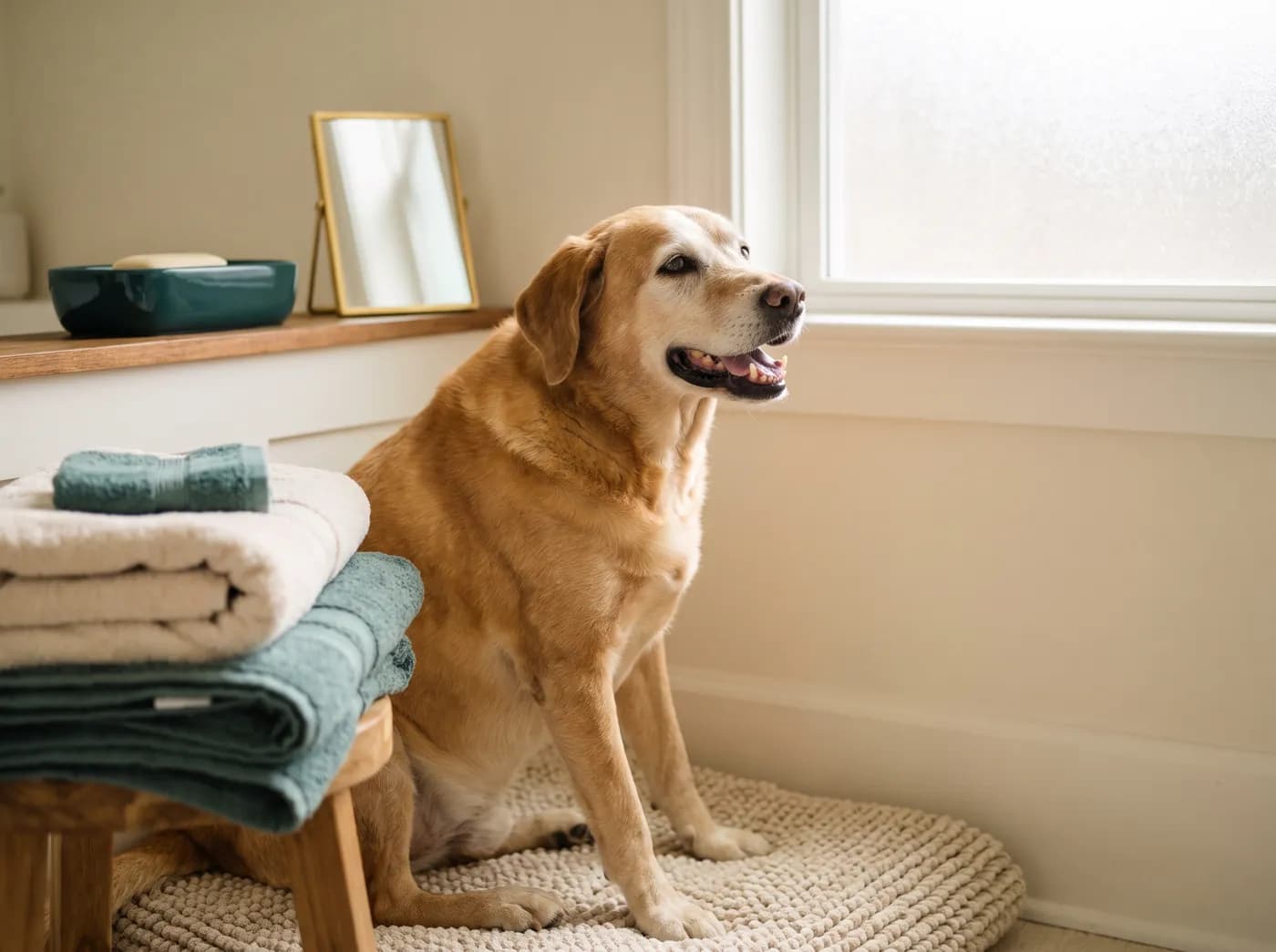 Stay FreshDental Care for Senior Dogs: A Simple Daily RoutineThe most effective home dental care for a senior dog is brushing with a toothpaste made for dogs: the American Veterinary Medical Association (AVMA) says daily brushing is best and several times a week can still be effective. Dental chews and water additives are helpers, not replacements. Have your vet check your dog's teeth and gums at least once a year, since many older dogs need professional cleanings under anesthesia.
- Keep MovingHow Much Exercise Does a Senior Dog Need?Most senior dogs still need exercise every day, but in shorter, gentler and more frequent sessions than when they were younger. The right amount depends on your dog's size, weight and health, so ask your vet to help set it, and judge by how your dog feels afterward and the next morning. Mix easy walks on soft ground, low-impact activity like swimming, a gentle warm-up, and plenty of sniffing and brain games.
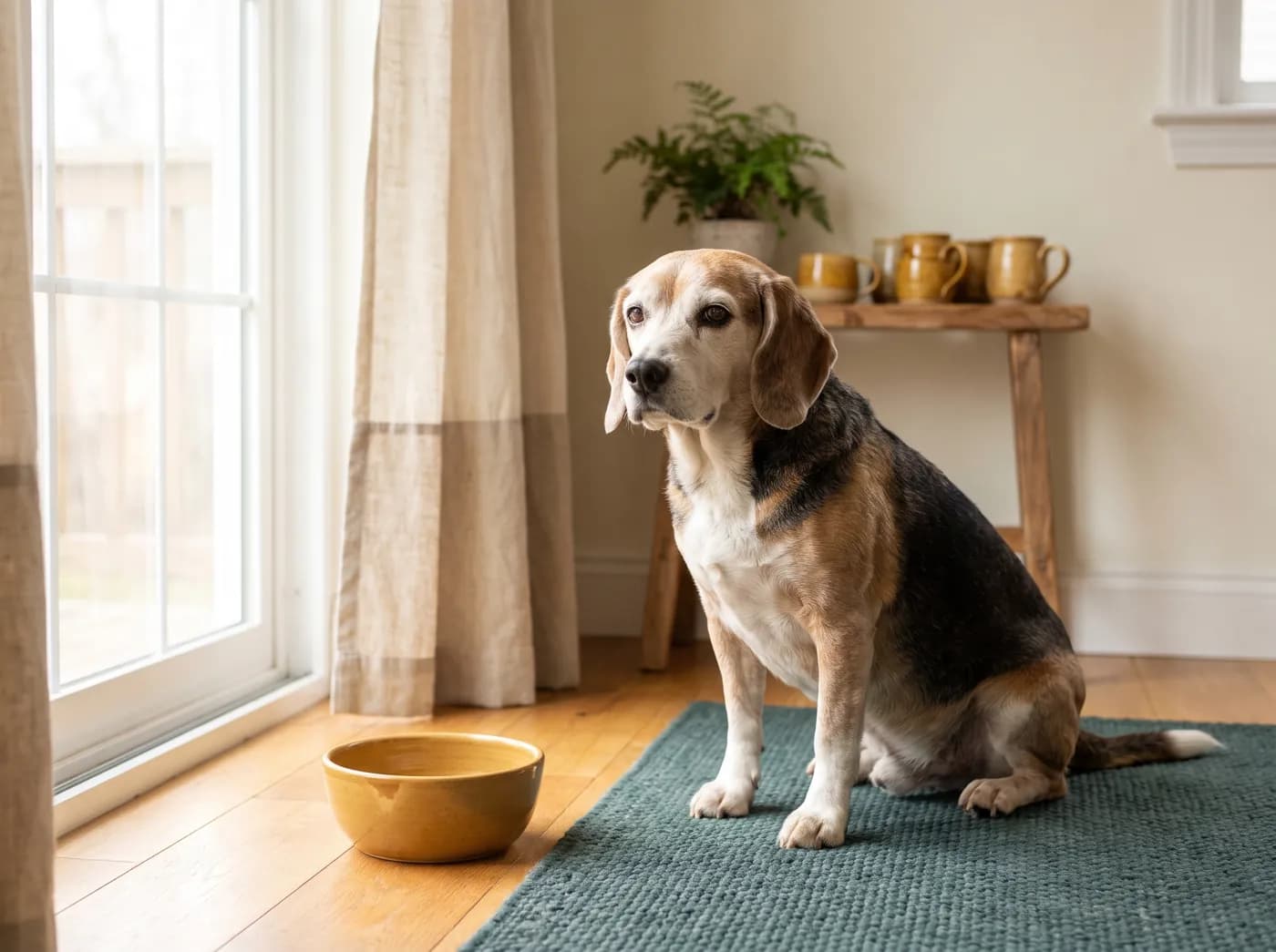 Digest EasyProbiotics for Older Dogs: What to Know About DigestionProbiotics are live beneficial microorganisms, mostly specific strains of bacteria, that support healthy digestion and gut balance when given in adequate amounts. For an older dog they fit best into a steady food routine: introduce any new food or supplement slowly, follow the label, and choose products made for dogs. Diarrhea, vomiting, weight loss or a lost appetite are signs to call your vet, not to try a supplement first.